Field notes: the cascade that drew down out of sequence
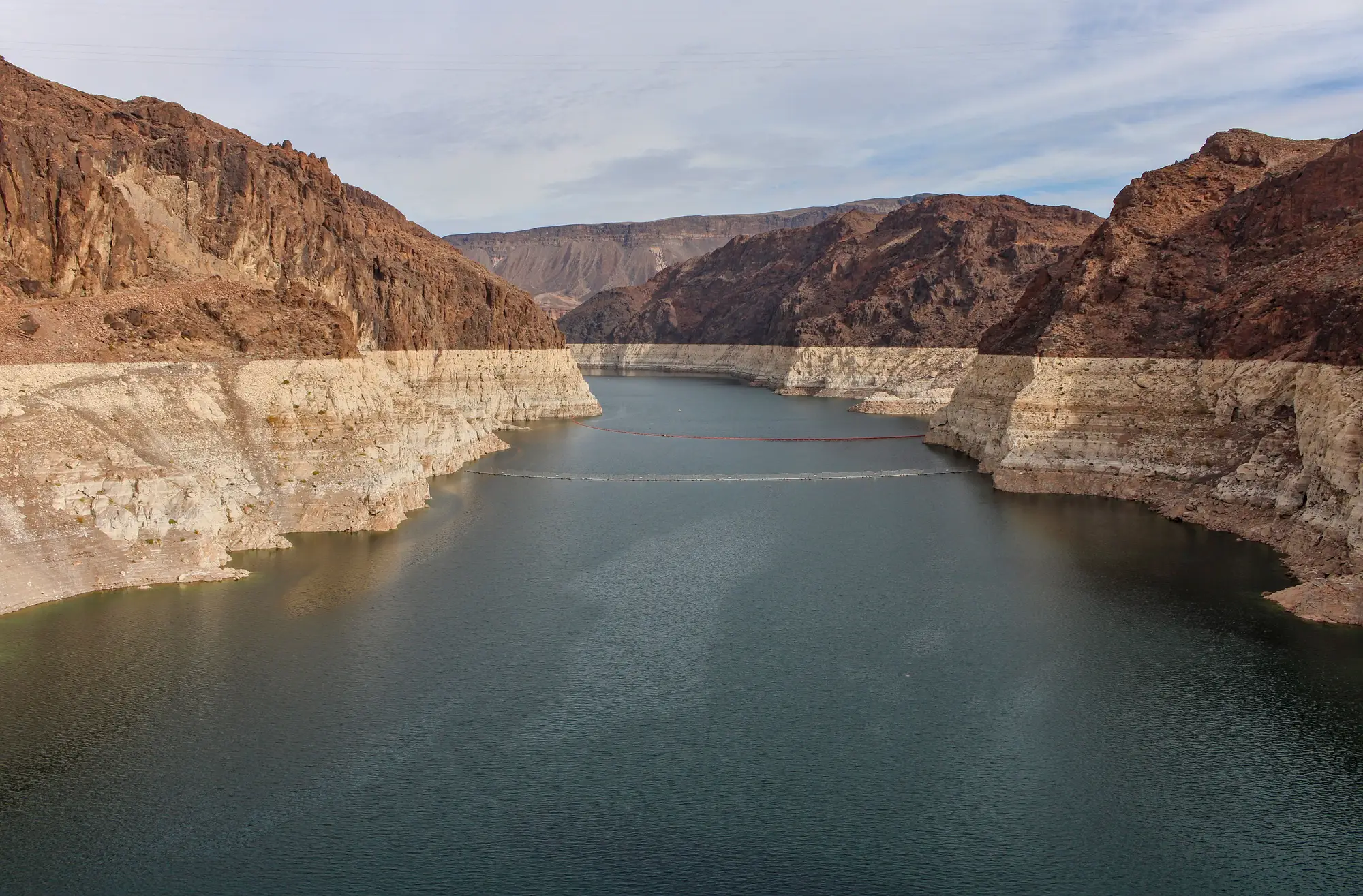
There's a three-dam cascade on a mid-size basin I check every Monday morning, out of habit more than anything. Upstream reservoir, mid-cascade, tailwater pond below. The kind of system where the operating logic is supposed to be obvious: water moves downhill, releases from the top reservoir show up as inflow at the next one a few days later, and if you've watched it long enough you can almost predict the mid-cascade's surface area from the upstream release schedule alone.
Three weeks ago that logic broke, and it took me longer than I'd like to admit to notice why.
The upstream reservoir held flat. No drawdown, no spill, storage basically pinned at the same level for two straight weeks, which on its own isn't strange during a dry stretch. What was strange is that the mid-cascade reservoir drew down hard anyway, losing something like a fifth of its surface area in the same window, and the tailwater pond below it barely moved at all. In a cascade that normally passes water through in sequence, top to bottom, you don't expect the middle link to drain while the top one sits still and the bottom one shrugs.
My first guess was a gauge problem or a bad polygon fit, so I went back through the weekly captures to rule that out. The shoreline on reservoir two was unmistakable: a clean, steady retreat across four consecutive passes, not a sensor artifact. That ruled out noise. What it left was a station pulling water out of sequence with the rest of its own cascade, which usually means one of a short list of things.
A forced outage somewhere downstream that pushed the operator to draft the middle pool directly rather than route water the normal way. A transfer agreement between the mid-cascade owner and someone outside the cascade entirely, moving stored water to a different sale point. Or, less excitingly, scheduled maintenance on the upstream gates that froze releases while the operator kept generating off existing storage at reservoir two to cover a contract.
None of that shows up in a flow bulletin, because in this basin there isn't one worth trusting, and even where disclosure exists it tends to arrive a month after the fact, aggregated to the whole cascade rather than broken out by station. What you get instead, if you're watching storage directly, is the shape of the thing: one pool draining out of turn while its neighbors don't move. That shape is the signal. You don't need to know the contract behind it to know that the cascade isn't behaving like a cascade this month, and that the middle station is carrying load the sequence wasn't built to give it.
It matters for anyone pricing power out of that basin, because a mid-cascade station drawing down independently changes how much firm generation the whole system can sustain into the dry months. Reservoir two is spending storage now that the normal sequence would have left it to draft later, which borrows capacity from a future week rather than creating it this week. That flat upstream pool just means the slack sits at the middle station instead of the top one, and that's where you have to go looking for it.
This is the part of the job that rainfall proxies and annual utility reports can't do for you. Rainfall tells you what fell on the watershed, not which gate someone opened and why. An annual report tells you where storage ended up, long after the trade that mattered has settled. Watching the actual polygon shrink week over week, station by station, is what catches a cascade breaking its own sequence while it's still happening. That's the whole case for pulling storage off the water-surface area instead of waiting for someone upstream to tell you, which is the approach behind Reservoir Monitoring's weekly reads across a watchlist of basins like this one.
I still don't have a confirmed answer for what happened at reservoir two. I have four weekly captures that show it happened, and that's enough to start pricing around it instead of waiting for a disclosure that isn't coming anytime soon. If you're carrying positions on a cascade you don't fully trust to behave in order, it's worth building your own watchlist before the next one goes out of sequence.