Blog
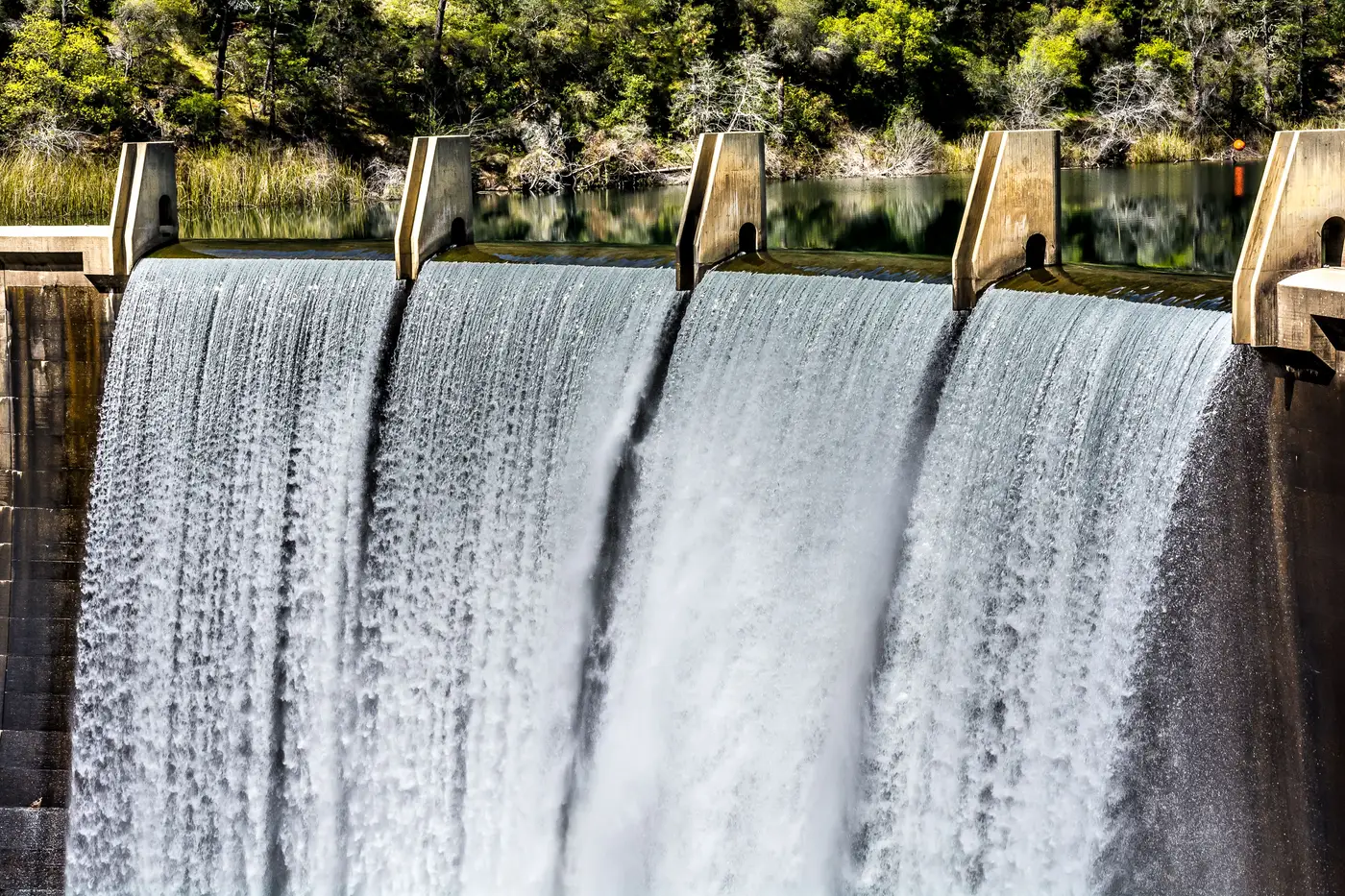 Field notes: a basin where three countries draw from one reservoir, one discloses
A desk note on transboundary basin storage, where one upstream operator discloses and two downstream grids are left to infer the rest.
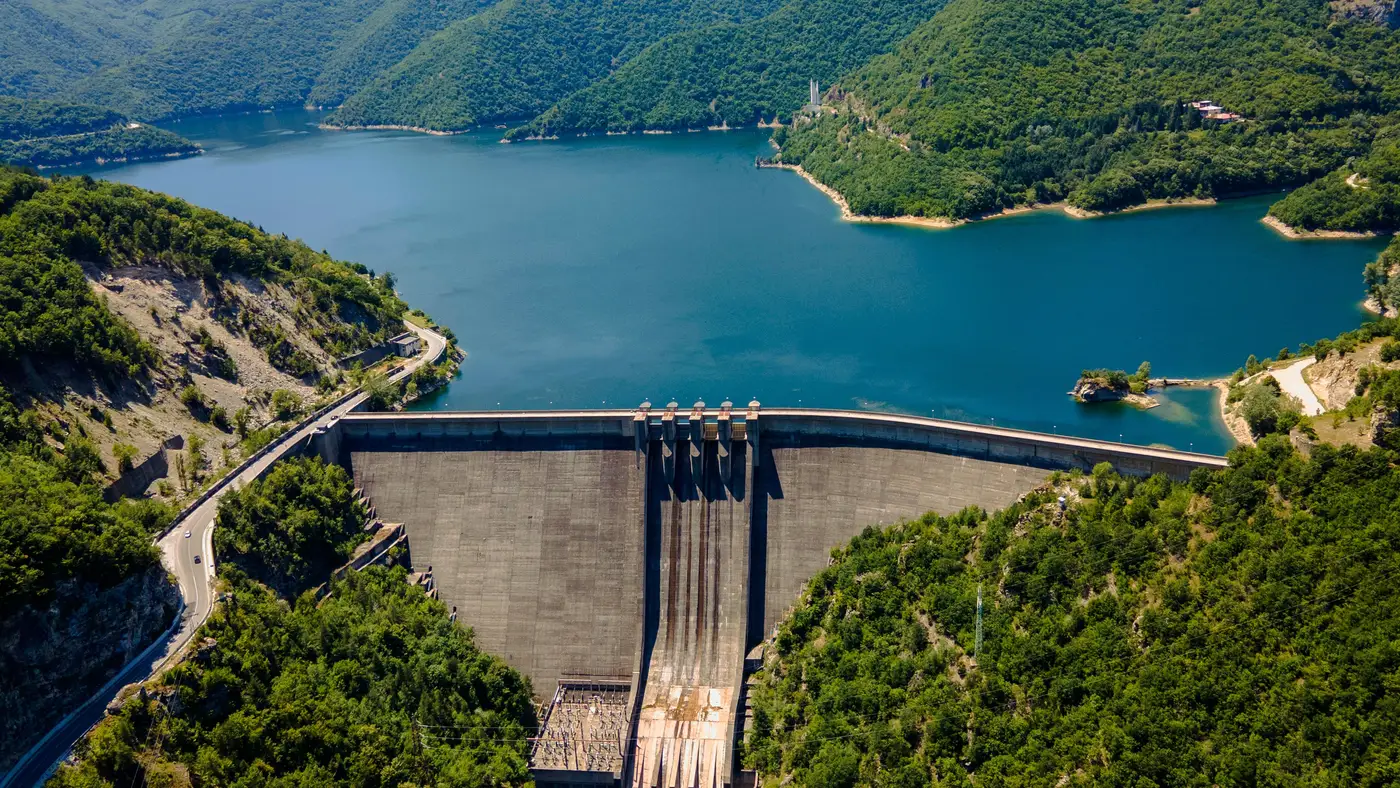 Satellite imagery vs. gauge station data for reservoir storage
How satellite-derived water-surface area stacks up against stream gauge telemetry for estimating reservoir storage, and when a desk should use each.
- How sedimentation changes a reservoir's area-capacity curve over time
Sediment buildup shifts a reservoir's area-capacity curve, so the same water level holds less volume than the last resurvey said.
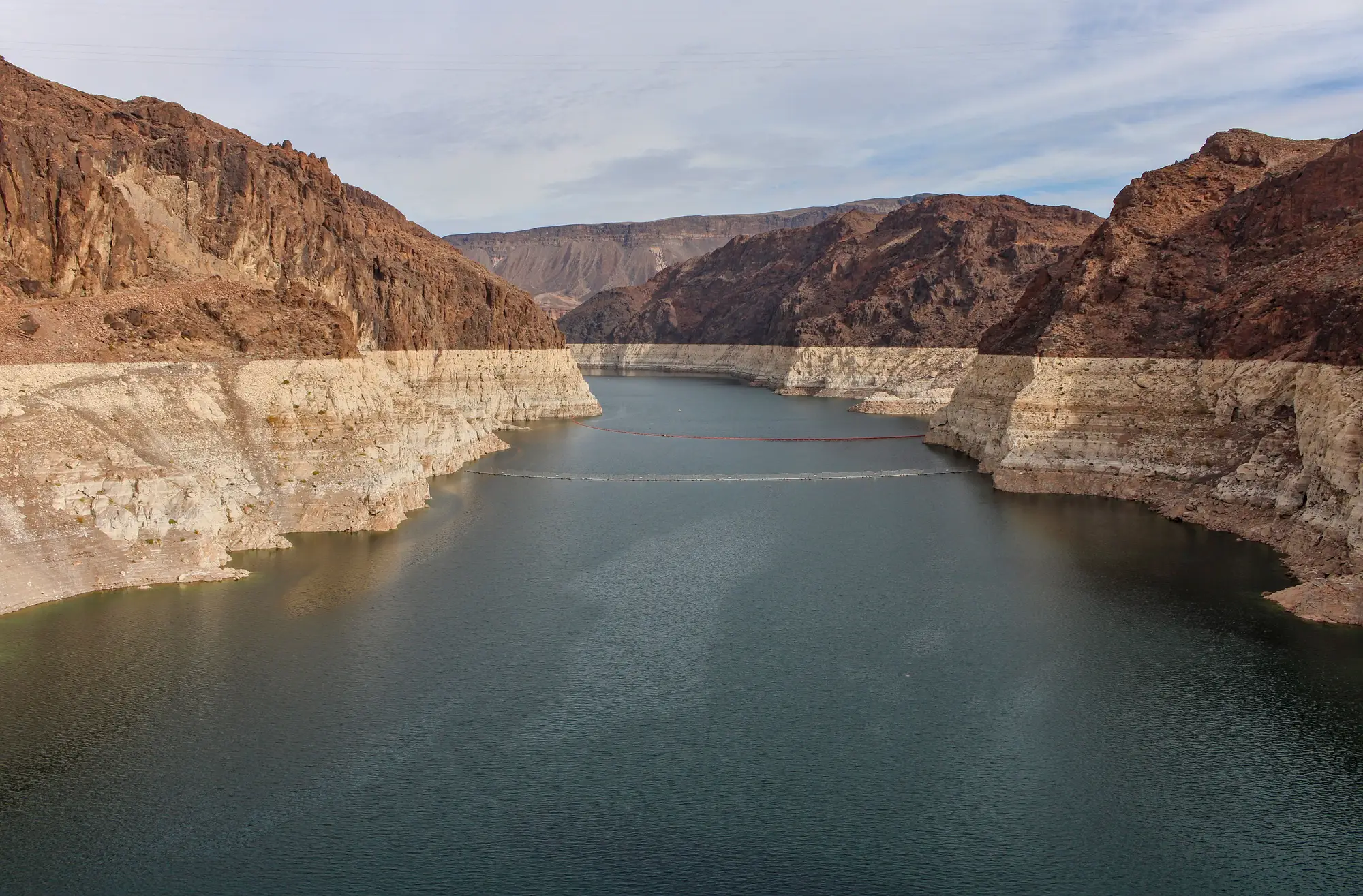 Dead storage vs. live storage: why the full pool isn't the usable pool
Dead storage sits below the usable draw-down line and never counts toward live capacity. Why that gap matters for basin-wide hydro storage math.
- Field notes: the cascade that drew down out of sequence
A field note on a three-dam cascade that drew down out of its normal sequence, and what the shoreline data showed before any disclosure did.
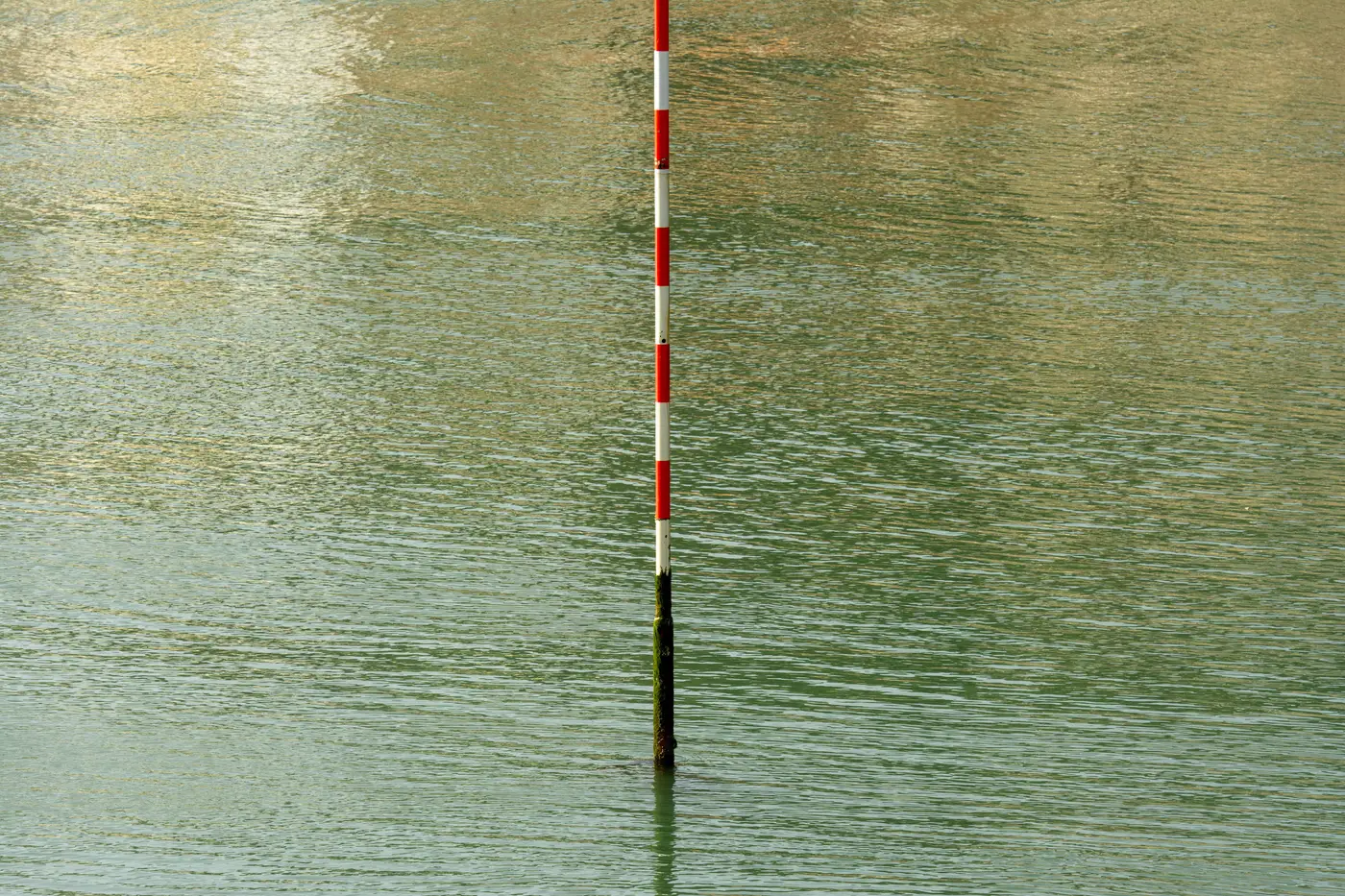 Pondage vs. storage hydro: what a power trader needs to know
Pondage, storage hydro, and run-of-river get lumped together on watchlists. Here's how to sort them, and why it changes your read on dispatch.
- What is firm energy, and why reservoir storage levels set it
Firm energy from hydropower is set by reservoir storage, not nameplate capacity. Here's how storage levels drive dependable capacity and firm contracts.
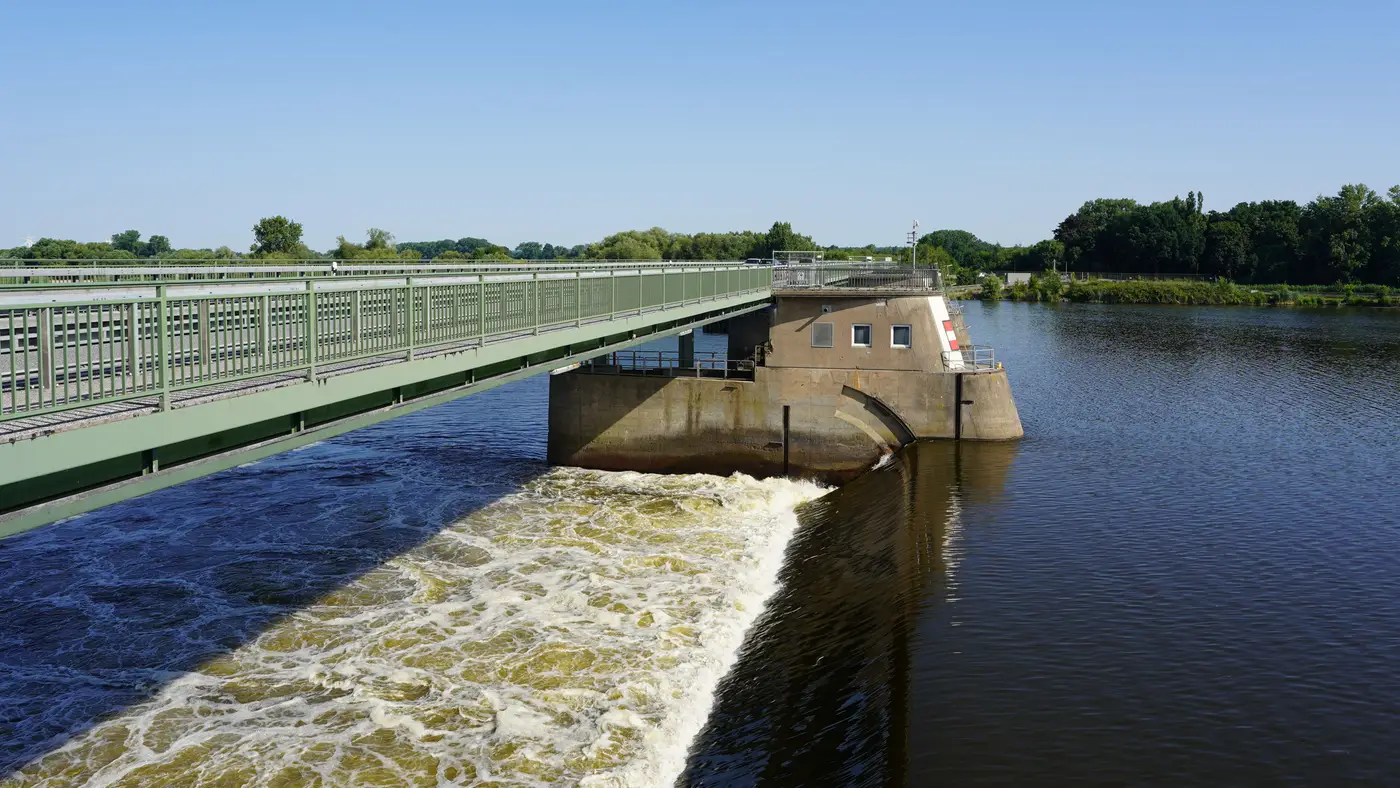 What is pondage in hydropower operations?
Pondage is the hours of working head a run-of-river plant draws on for shaping. Here's how it differs from true seasonal storage.
- Estimating reservoir storage when the area-capacity curve is stale
How to adjust storage estimates when a reservoir's area-capacity curve predates recent sedimentation, and when a resurvey actually pays for itself.
- What is a reservoir rule curve, and why hydropower traders watch it
A reservoir rule curve sets the target elevation by week. Here's how flood control pool, conservation pool, and guide curve readings drive hydropower trades.
- How reservoir storage levels correlate with forward power prices
How reservoir storage draws down translate into forward power price moves, and why the correlation varies by basin.
- How to estimate reservoir evaporation loss between satellite passes
How to back evaporative loss out of a weekly reservoir water balance and get a cleaner net inflow number.
- Stage-storage curve vs. rating curve: what's the difference?
Stage-storage curves convert reservoir elevation into stored volume. Rating curves convert river stage into flow. Here's how to tell them apart.
- What is an area-capacity curve, and how does it convert into reservoir storage?
A plain explanation of the area-capacity curve, how it converts surface area or elevation into stored volume, and why traders rely on it.