What is pondage in hydropower operations?
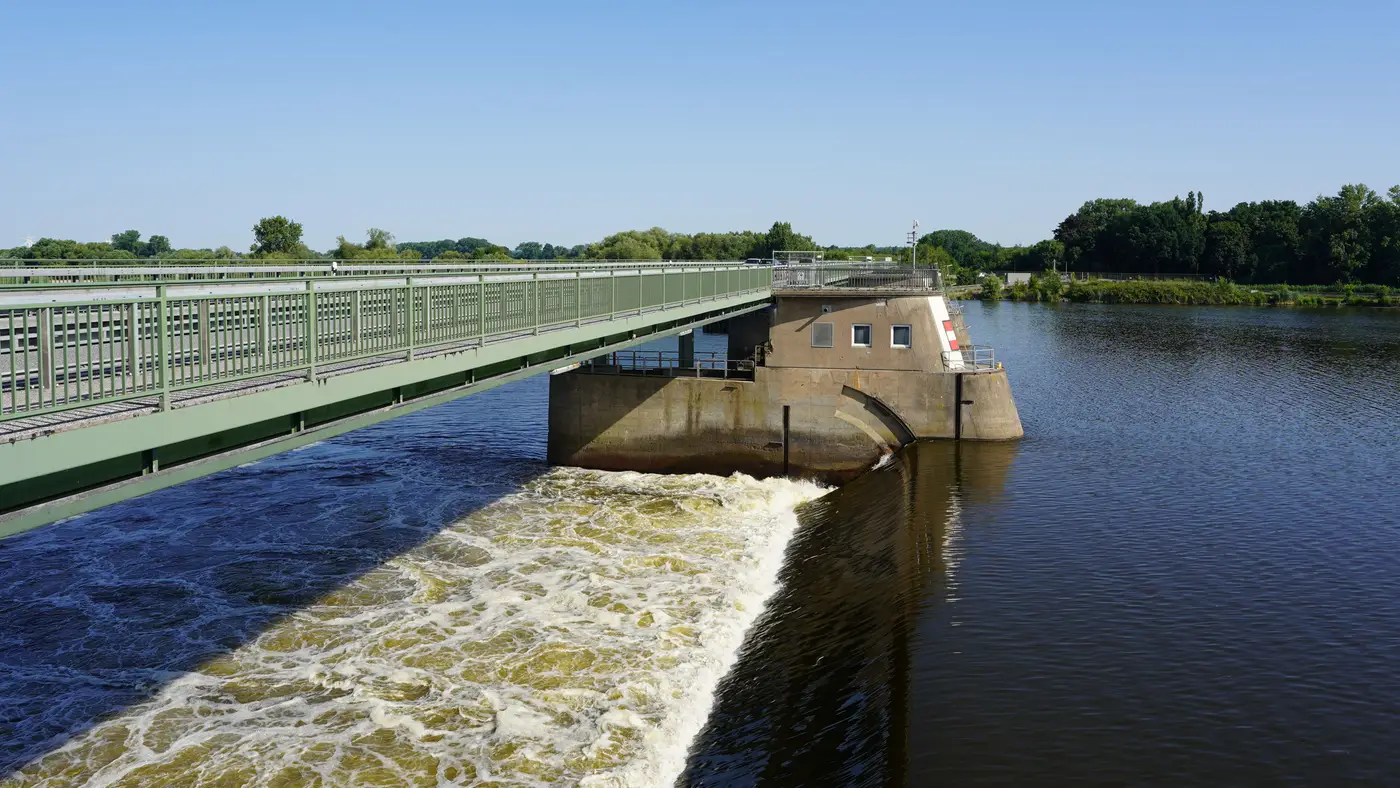
Pondage is the sliver of water a run-of-river plant can hold back and release on purpose, usually measured in hours rather than days. It's the headpond or forebay volume above the intake, enough to let the operator shift generation within a day without touching the river's natural flow regime over a longer stretch. If you've ever pulled a plant's nameplate and seen "run-of-river" next to a pondage figure in acre-feet or hours-of-full-load, that number is telling you how much shaping flexibility exists before the plant is just passing through whatever the river gives it.
The term matters because "run-of-river" gets treated as a binary in a lot of market commentary, and it isn't one. A plant with zero pondage spills the instant inflow exceeds turbine capacity and sheds load the instant it doesn't. A plant with a day or two of pondage can hold back morning flow, run heavier into the peak, and claw some of that volume back overnight. Same license classification, very different dispatch behavior.
Pondage vs. storage: two different animals
Storage hydro and pondage hydro get lumped together in a lot of grid-planning language, but they run on different timescales. A storage plant behind a multi-month or multi-season reservoir is making an allocation decision: how much water to spend this week versus hold for August, or for next spring. That's a drawdown curve problem, and it's the one FlyPix built Reservoir Monitoring to track.
A pondage plant isn't making that decision at all. Its headpond might cycle full to empty and back within 24 hours, following load shape rather than season. You won't catch meaningful pondage movement in a weekly satellite pass because the pond refills before the next overpass anyway. Where storage reservoirs show a slow seasonal taper that a weekly area-to-volume read captures well, a pondage facility's working range often doesn't show up as a visible shoreline change at all. It's a dispatch variable, not a hydrologic one.
That distinction is worth keeping straight when you're modeling a basin with mixed assets, because lumping a 2,000 MW storage project and a 40 MW pondage plant into the same "hydro" bucket for forecasting purposes will get the shape of each one wrong.
Run-of-river pondage capacity in practice
Pondage capacity gets quoted in a few different units depending on who's reporting it. Some owners state it in hours of full-load generation (for example, "6 hours of pondage at rated flow"), which tells you directly how long the plant can run above inflow before it has to come back down. Others state raw volume, acre-feet or hectare-meters, which you then have to convert against turbine flow to get the same answer. A plant with substantial pondage, say 12 to 24 hours, has real peaking flexibility and will show up in day-ahead schedules shaping generation toward the morning and evening ramps. A plant with an hour or two of pondage is mostly a run-of-river unit with a cosmetic forebay, and its output will track inflow closely no matter what the schedule says it wants to do.
For a trading desk, the practical question is rarely "does this plant have pondage," it's "how much of tomorrow's schedule is inflow-constrained versus owner's choice." Pondage caps that answer at a day or less. Anything beyond that, where an owner is genuinely choosing to carry water across weeks, is storage behavior, and storage behavior is where disclosure lag costs you basis.
A weekly reservoir-area read is built for exactly that storage case: the seasonal projects where the owner's drawdown decision is the thing you're trying to see before the monthly report lands, not the pondage plants cycling within a day. Reservoir Monitoring converts each tracked reservoir's surface polygon into an estimated stored volume off its area-capacity curve, refreshed weekly across a watchlist, so you're not waiting on a utility filing to know which way a basin's storage is moving.
If storage projects in your basin are the ones you need a read on before the next disclosure, take a look at how Reservoir Monitoring tracks them.