How reservoir storage levels correlate with forward power prices
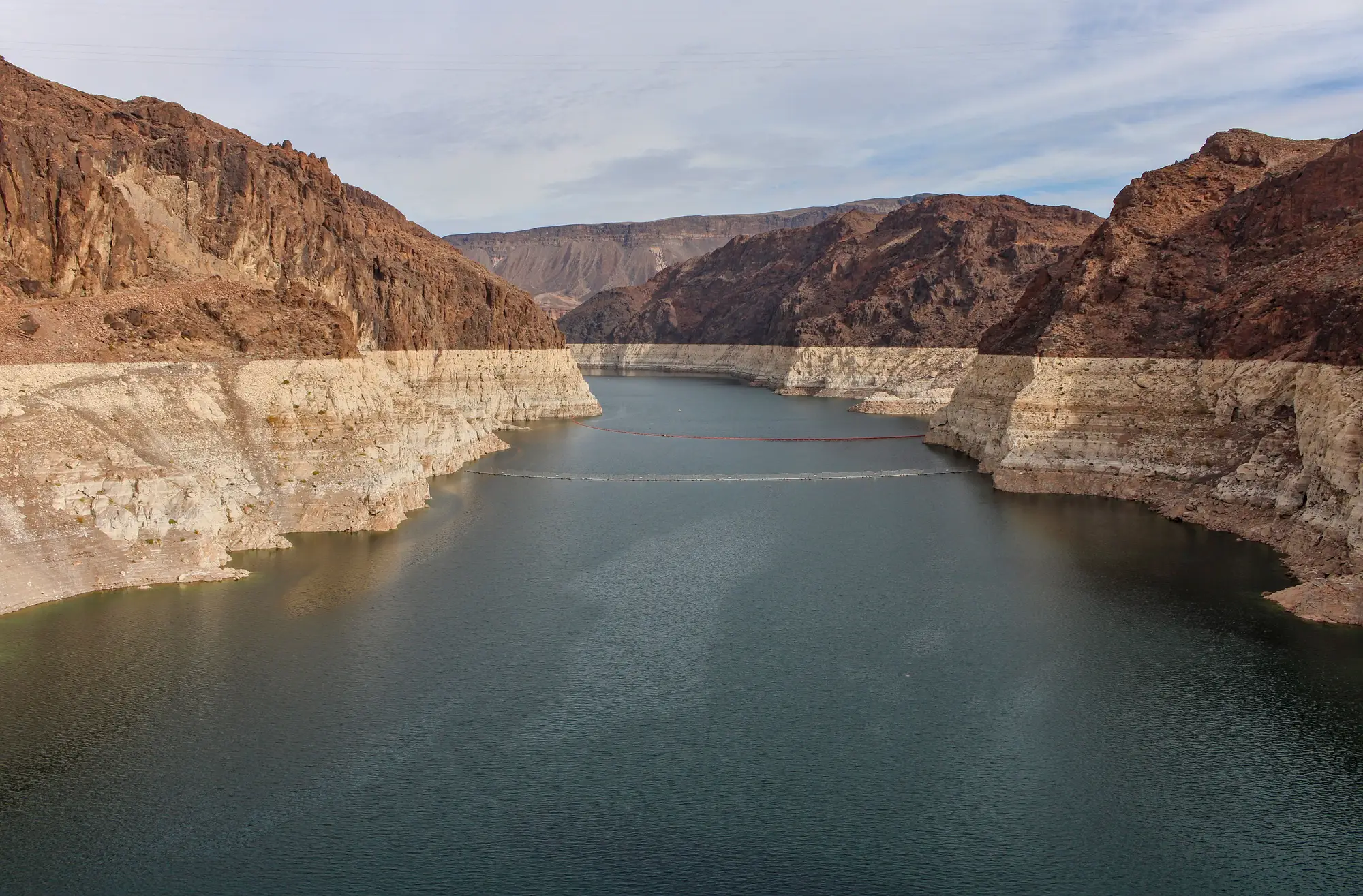
Storage draws down, forward power prices firm up. That's the one-line version of the relationship every desk trading a hydro-heavy zone already knows in its gut. The harder part is pricing how much, and getting a read on storage early enough to act on it instead of confirming it after the fact.
The mechanism: storage is a substitute for the marginal thermal unit
In a basin with meaningful hydro share, stored water sits in the dispatch stack as a near-zero-marginal-cost resource. When reservoirs are full, operators can run hydro hard through peak hours and let it set (or suppress) the price at the margin, pushing gas and coal further down the merit order. When storage is drawn down, below seasonal norms, below what a plant needs to meet firm obligations through the dry months, that cheap marginal unit disappears from the stack. The system has to lean on thermal generation more hours of the day, and thermal's fuel cost becomes the marginal price more often. Forward curves price that substitution in advance of it happening, which is exactly why low storage shows up as a forward premium weeks or months before spot prices confirm it.
This is the core of storage-driven hydro generation risk from a trading desk's perspective: how many hours per day the cheap resource stays available to set price, not just how much water sits behind the dam. A reservoir at 60% of capacity in June reads very differently depending on whether that basin typically refills from spring runoff or depends on summer monsoon inflow. Context matters as much as the level itself.
Where the correlation gets messy
The relationship holds directionally almost everywhere, but the magnitude varies by basin, by season, and by how much flexibility sits behind the dam. A run-of-river plant with little reservoir behind it barely moves the curve regardless of inflow, because it never had much storage to lose. A large multi-year carryover reservoir can sit at a low level for months without affecting near-term dispatch at all, if the operator is managing toward a multi-year drawdown plan rather than reacting to this week's inflow.
Basin storage and spot price basis also diverge when transmission constraints or must-run thermal contracts decouple the hydro zone from the broader market. You can have a reservoir at a ten-year low sitting right next to a trading hub that barely reacts, because the constrained interface means the storage shortfall shows up as a local basis blowout rather than a system-wide price move. Reading storage level alone, without checking it against the basin's typical operating pattern and the grid topology around it, is how a desk ends up long a hedge that never pays off the way the headline storage number suggested it would.
Building a storage view without waiting on the utility
Getting the mechanism right matters less than having a current storage number, and most desks don't have one. Utility disclosures lag, come monthly or quarterly instead of weekly, and in some basins don't come at all for assets outside regulatory reporting requirements. Rainfall proxies tell you what went into the basin, not what's still sitting behind the dam after draws, evaporation, and spill. Annual reports confirm last season's number long after the forward curve has already moved.
A storage-level series built from the reservoir's water-surface extent, converted to volume through its area-capacity curve and refreshed on a weekly cadence, closes that gap without depending on anyone's willingness to disclose. Reservoir Monitoring was built around exactly that approach: it turns the satellite-observed waterline into a volume estimate per reservoir, tracked across a basin or a portfolio of dams, so a desk isn't choosing between a stale annual figure and a rainfall guess when the forward curve needs a read on storage today.
A quick way to frame it
If you're trying to decide whether a storage read matters for your forward position, ask three things: how much of the basin's generation actually depends on the reservoir versus run-of-river flow, is the operator drawing down toward a seasonal target or managing a multi-year carryover plan, and is the zone tightly enough interconnected that a local storage shortfall shows up system-wide rather than as isolated basis. Storage level without that context is a number. Storage level with it is a forward curve input.
If your watchlist spans more than one basin, it's worth seeing what a weekly storage series looks like before the next disclosure cycle catches up to where the market already is.